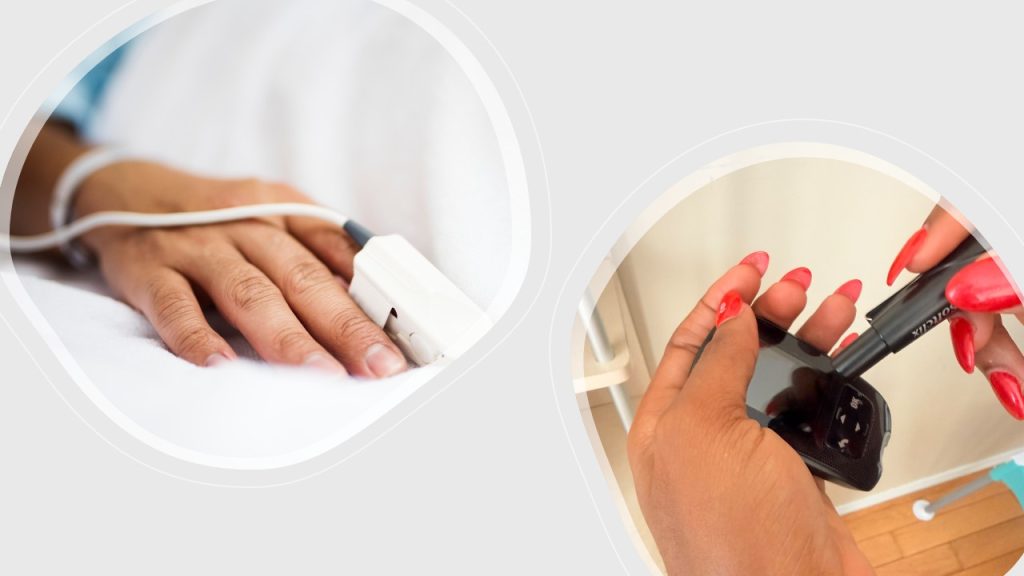

Diabetic Services
Healthwell diabetes services model includes a multi-team approach as follows:
Medical Team
Pharmaceutical & Technology Team:
Pharmaceutical & Technology Team: Pharmacists and other clinical staff manage prescriptions, medication adjustments, insulin injections, and training for insulin pump and continuous glucose monitoring (CGM).
Education and self-management are handled by diabetes educators, nurses, registered dietitians, and exercise therapists. Their role is teaching self-care, food choices, and an active/healthy lifestyle.
Diabetes Management
Insulin Management:
Healthwell insulin therapy involves matching the type of insulin to the client’s baseline needs and mealtimes. Three types of insulin are:
Basal (Long-Acting), such as glargine and detemir, is a long-acting or intermediate-acting (NPH insulin, such as Humulin N & Novolin N) background insulin. It works all day and night (24 hours, taken once or twice a day, and some ultra-long-acting versions can last 36 hours) to keep blood sugar levels steady both in fasting and between meals. This type of insulin mimics the normal, continuous release of insulin from a healthy pancreas. Basal insulin controls glucose continuously released by the liver and keeps blood sugar stable overnight and during fasting.
Bolus insulin (Rapid/Short-Acting), such as lispro, aspart, regular, is taken before eating to stop post-meal blood sugar spikes.
Premixed are the combination of intermediate and short-acting insulin for set schedules.
Insulin can be taken or delivered through:
Pens: tiny needles and convenient cartridges with dial-up dosing.
Syringes: Traditional vials and fine needles for manual dosing.
Pumps: Wearable computerized devices delivering continuous rapid insulin via a small under-skin tube.
Healthwell pharmaceutical and clinical team best practices involve:
Carb Counting: Matching rapid insulin units to the grams of carbohydrates in the client’s meal.
Correction Doses: Taking extra rapid insulin when pre-meal blood sugar sits above target range
Blood Glucose Tracking: Check levels regularly (before meals and at bedtime) to identify patterns and adjust doses safely.
Site Rotation: Change injection or infusion sites to avoid skin or tissue damage and make sure that there’s proper absorption.
Comprehensive Pharmacological/Diabetes Management at Healthwell
At Healthwell, we believe managing diabetes requires more than just a prescription—it takes a collaborative, personalized partnership. Our medical team combines advanced insulin and non-insulin therapies to help you achieve optimal metabolic health, lower your A1C, and protect your long-term wellness.
We provide specialized, evidence-based pharmacological management for all stages of diabetes:
Customized Care Across Every Diagnosis
Type 1 Diabetes: Precise, modern insulin regimens paired with advanced monitoring to seamlessly match your lifestyle.
Gestational Diabetes: Dedicated, closely monitored therapies to support a healthy pregnancy for both mother and baby.
Type 2 Diabetes: A proactive, stepped care approach focusing on metabolic protection and weight management.
Our Type 2 Diabetes Pathway
We design your medication plan around your individual needs, prioritizing your comfort, safety, and overall health:
Step 1: Foundational Therapy (Metformin)
Metformin is a commonly used initial treatment when appropriate for your medical needs. It helps lower blood sugar and improve your body’s response to insulin.Step 2: Additional Treatment Options
Depending on your needs, your care plan may include a GLP-1 receptor agonist or a dual GIP/GLP-1 receptor agonist. These medications can support blood sugar control and weight management. Your clinician will discuss the potential benefits, risks, and suitability of each option.
Other services
Medical Laboratory: Healthwell Medical Lab tests blood and urine. The blood glucose is measured by glycated hemoglobin (A1C), Fasting Plasma Glucose (FPG), Oral Glucose Tolerance Test (OGTT), and Random Plasma Glucose.
Healthwell adopts 2 confirmation processes before diagnosis based on Diabetes Canada guidelines: With symptoms and without symptoms. With symptoms requires a single abnormal lab test value in the diagnostic range to confirm the diagnosis. Without symptoms occurs if the patient is asymptomatic and requires a repeat abnormal test or a second distinct test on another day to confirm the diagnosis.